
DIR
Understanding the DIR® Model: Supporting Your Child Through Relationships
The DIR® Model—short for Developmental, Individual differences, Relationship-based—is an approach to working with children that focuses on who your child is, not just what skills they’re missing.
Rather than starting with checklists or behaviors to “fix,” DIR begins with connection.
What Does DIR Mean?
- D – Developmental: Children grow through emotional and developmental stages, like learning to stay regulated, engage with others, communicate intentionally, and think flexibly. DIR supports these foundations so higher-level skills can naturally emerge.
- I – Individual Differences: Every child processes the world differently. Sensory sensitivities, motor planning, attention, and emotional regulation all shape how a child experiences daily life. DIR honors these differences instead of trying to force a one-size-fits-all approach.
- R – Relationship-Based: Learning happens best through safe, trusting relationships. Parents, caregivers, and therapists use playful, meaningful interactions to help children feel understood, regulated, and motivated to engage.
What Does DIR Look Like in Practice?
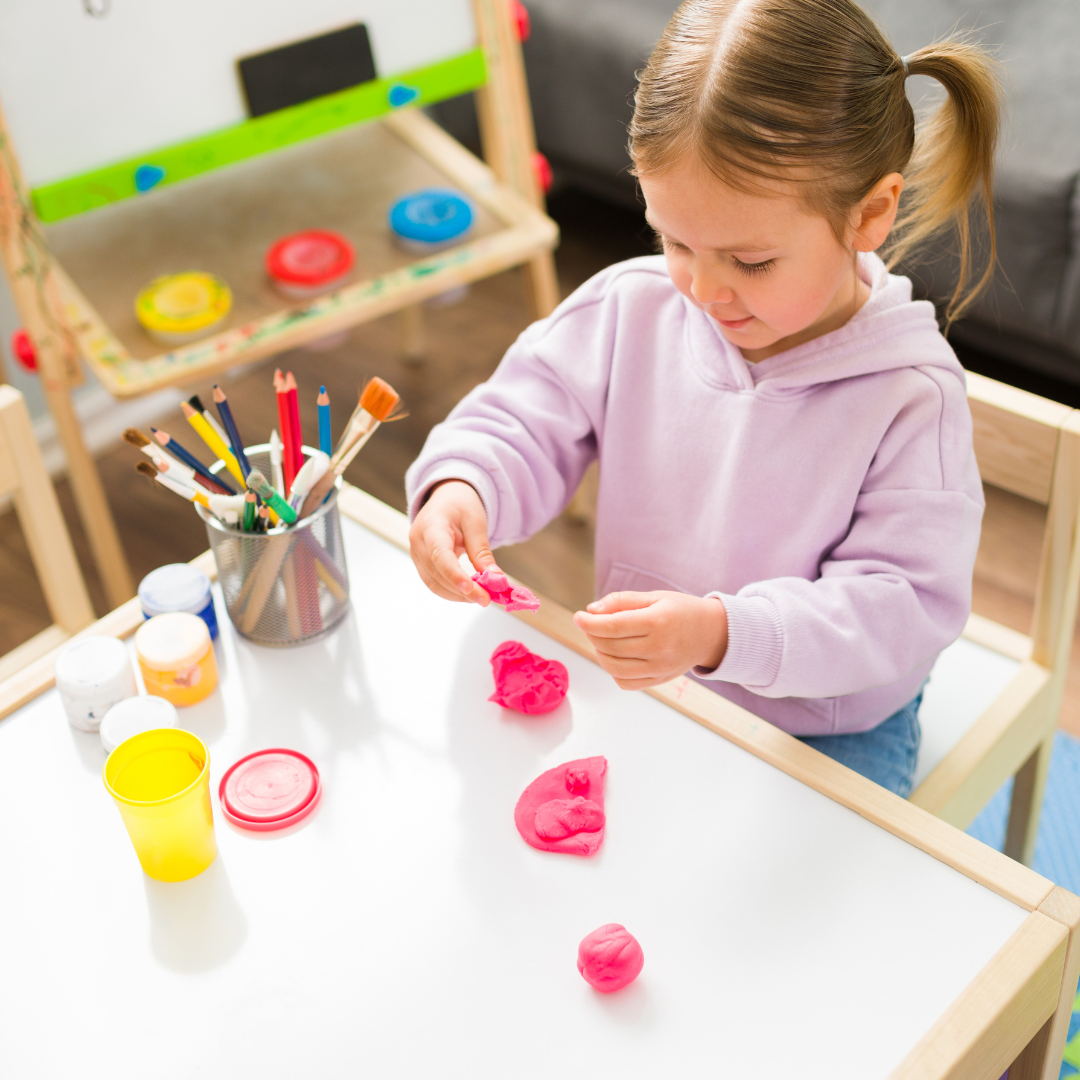
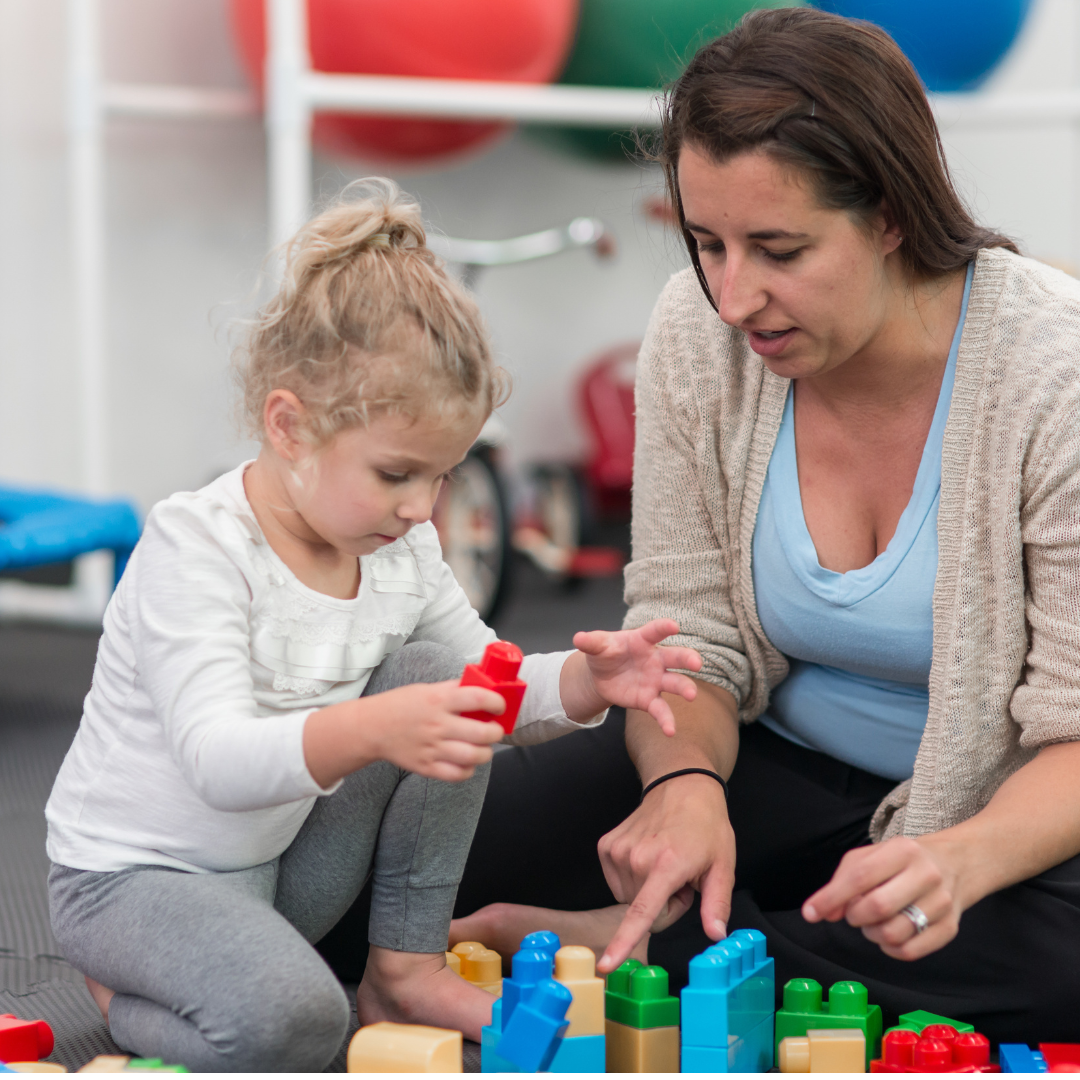
DIR-informed sessions often look like play, not drills. A therapist may:
- Follow the child’s lead and interests
- Use play to build shared attention and communication
- Support regulation before expecting participation
- Join a child in their world, then gently expand it
- Progress happens through connection first, skills second.
Progress happens through connection first, skills second.
Who Can Benefit From DIR?
DIR is commonly used with children who:
- Are autistic or neurodivergent
- Have sensory processing differences
- Struggle with emotional regulation
- Have difficulty with communication or social interaction
But at its core, DIR supports all children by honoring development, individuality, and relationships.
Why Families Appreciate the DIR Approach
Families often appreciate DIR because it:
- Feels respectful and child-centered
- Strengthens parent-child relationships
- Supports emotional growth alongside functional skills
- Meets children where they are—not where they’re “supposed” to be
DIR isn’t about changing who a child is. It’s about helping them feel safe, capable, and connected—so learning can happen naturally."